
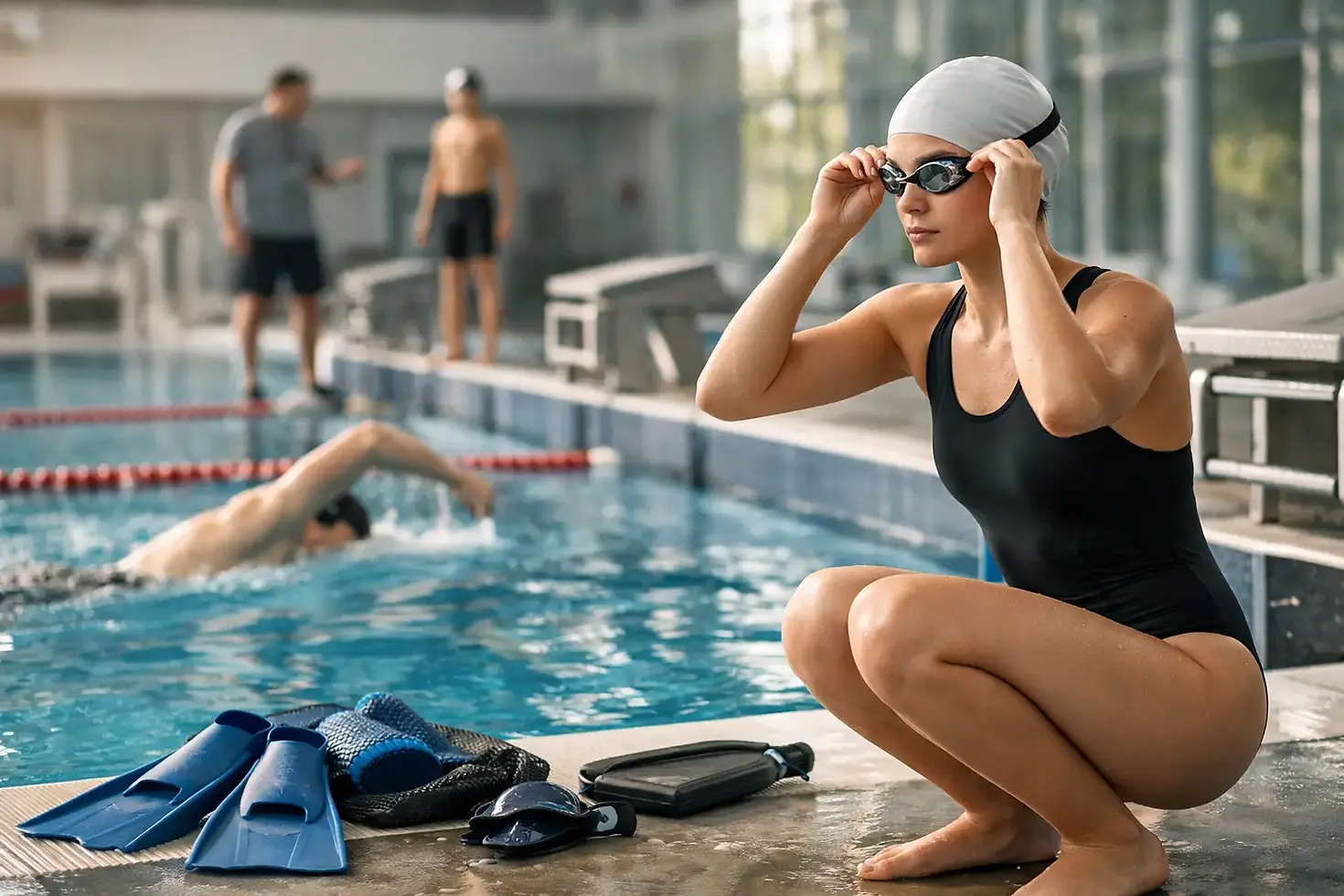
Swim Team Tryout Preparation That Works

Tryout day usually tells the truth fast. A swimmer can have plenty of energy and still struggle if their body position falls apart, their breathing gets rushed, or they walk onto the deck not knowing what coaches are actually looking for. Good swim team tryout preparation is not about last-minute yardage. It is about helping young swimmers arrive confident, technically sound, and ready to follow instructions under pressure.
For families, that distinction matters. Many parents assume tryouts are mainly about speed, but most coaches are evaluating far more than a stopwatch. They want to see whether a swimmer can hold form, listen well, move safely in a group setting, and show the kind of habits that can grow inside a structured program. That is good news for developing athletes, because a tryout is rarely won by raw effort alone.
What coaches usually look for at tryouts
At the youth level, coaches are often assessing potential just as much as current performance. They may look at freestyle and backstroke first, then check comfort with breaststroke or butterfly depending on age and experience. Streamline off the wall, body alignment, kick rhythm, breathing control, and basic endurance all tell a coach how trainable a swimmer is.
They are also watching how a swimmer responds to direction. If a coach gives one correction and the swimmer tries to apply it right away, that stands out. So does awareness in the lane, respectful behavior, and the ability to stay composed when the pace picks up. A swimmer does not need to be the fastest one there to make a strong impression.
That is why the best swim team tryout preparation starts with the fundamentals. Better technique makes a swimmer look more capable immediately, and it usually helps speed without forcing it.
Start with honest skill assessment
Before tryout week, get clear on where the swimmer really is. Can they swim a full length with consistent breathing, or do they fade halfway through? Can they push off in a straight streamline? Do they know how to circle swim and leave space in a lane? These details matter in a club environment.
An honest assessment also helps families avoid the common mistake of overtraining right before tryouts. If a swimmer needs technical cleanup more than conditioning, extra laps will not solve the real issue. In fact, it can reinforce bad habits. A younger swimmer especially benefits more from short, focused sessions than from grinding through distance with sloppy form.
If the swimmer is newer to organized swimming, focus on three areas first: comfort in the water, controlled breathing, and the ability to repeat basic skills with consistency. If they already have experience, the priority shifts toward efficiency, turns, pacing, and the ability to hold technique when tired.
Technique first, then speed
Parents often ask how to make a swimmer faster before a tryout. The better question is how to make them more efficient. Young swimmers lose speed in simple places - lifting the head too high to breathe, bending at the hips, kicking from the knees, or pushing off the wall without a tight streamline.
Freestyle is usually the clearest place to improve quickly. A swimmer who keeps their eyes down, rotates through the hips, and exhales steadily into the water will almost always move better than one who muscled through the lane last week. Backstroke also rewards posture and rhythm. A flat body line, steady kick, and relaxed head position can make a swimmer look far more prepared.
Breaststroke and butterfly are more technical, so expectations depend on age and training background. Coaches know those strokes take time. What they want to see is willingness to learn, decent timing, and enough body awareness to build on. Clean fundamentals in freestyle and backstroke often matter more than forcing advanced strokes that are not ready.
A smarter practice plan the week before
The final week is not the time for panic training. A swimmer who suddenly doubles workouts may show up tired, sore, and mentally flat. A better approach is short, purposeful water time that sharpens race skills and reinforces confidence.
Early in the week, practice starts, push-offs, streamlines, and clean turns. Include short repeats with good rest so the swimmer can focus on quality. Midweek, add a few efforts at tryout pace, but keep volume controlled. The last day before the tryout should feel light. Think loosen up, review key skills, and get out wanting more.
Dryland should stay simple. Mobility, shoulder activation, light core work, and a few jump-based movements are plenty. Heavy strength work or exhausting conditioning too close to a tryout can leave a swimmer flat in the water.
For younger swimmers, even two or three strong tune-up sessions can be enough if they are focused. The goal is readiness, not fatigue.
The mental side of swim team tryout preparation
Young athletes often feel pressure because tryouts seem like a test of belonging. Parents can help by framing the day correctly. A tryout is not a final judgment on talent. It is a placement moment and a chance for coaches to see where a swimmer fits best right now.
That mindset changes everything. Instead of worrying about proving they are good enough, swimmers can focus on controllable actions: listen closely, streamline every wall, finish every length, and stay positive between sets. Confidence grows when expectations are specific.
It also helps to rehearse the environment. Talk through what the swimmer may see on deck, how warm-up might feel, and what to do if they get nervous. If they miss a wall or have a rough length, the next skill still matters. Coaches notice resilience. Resetting quickly is a competitive trait.
One practical habit is to create two or three cue words the swimmer can use during the tryout. Simple choices like long, steady, and strong work better than a long speech in their head. Clear cues keep attention in the water where it belongs.
Gear, rest, and tryout-day details
Preparation is also logistical. A swimmer should arrive with a suit that fits well, goggles they have already tested, a towel, water, and a light snack for after if appropriate. New gear on tryout day is risky. Leaky goggles can throw off an otherwise solid session.
Sleep matters more than one extra workout. In the two nights before the tryout, aim for a steady bedtime and avoid overloading the schedule. Nutrition should stay familiar. A balanced meal the night before and a light pre-tryout meal with enough time to digest is usually the safest plan.
On deck, getting there early helps a swimmer settle in. Rushing into the facility raises stress before they even touch the water. A calm arrival gives them time to check in, meet coaches, and absorb instructions.
Parents play a big role here. Encouragement helps. Technical overload does not. Right before the tryout, one reminder is enough. Let the coaching staff take over once the session begins.
What if a swimmer is not fully ready yet?
That depends on the gap. Some swimmers are close and just need exposure to a more structured environment. Others need a stronger technical base before they will truly benefit from team training. Starting too early can be frustrating if the swimmer spends every practice trying to survive instead of learn.
There is no shame in building first. In fact, it is often the faster path. Athletes who develop body position, mobility, breathing patterns, and stroke efficiency before jumping into a more demanding group tend to progress with more confidence once they get there. That is one reason technique-first development matters so much in youth swimming.
A structured program with clear levels can make that progression easier for families to understand. When swimmers know they are building toward the next step instead of being left behind, motivation stays high and improvement stays measurable.
Helping your swimmer stand out for the right reasons
A strong tryout is rarely flashy. It looks like a swimmer who enters the water prepared, listens carefully, holds form, and competes with composure. Coaches notice consistency. They notice effort that stays organized. They notice swimmers who respect the group and show they can grow inside a team culture.
For families looking at long-term development, that should be encouraging. The habits that help on tryout day are the same habits that support progress all season - discipline, coachability, and technical focus. At Alpha Swim Club, that foundation is what helps swimmers move forward with confidence, whether they are just entering structured training or aiming for higher levels over time.
If your swimmer has a tryout coming up, keep the goal simple: arrive ready to show clean skills, a strong attitude, and a willingness to learn. That combination opens more doors than a frantic last week ever will.


Comments